
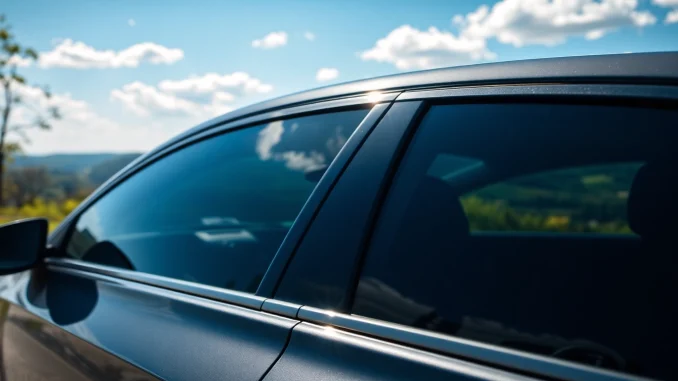
Understanding Window Tinting Options
What is Window Tinting?
Window tinting is the application of a thin film to the interior or exterior glass surfaces of vehicles, homes, and commercial buildings. This film not only alters the appearance of the glass but also enhances its functionality. By blocking harmful UV rays and reducing glare, window tinting improves the comfort and protection of the occupants while also safeguarding the interior materials from fading and damage. Most people seek window tinting for aesthetic purposes as well as for the protections it offers, making it a popular choice among vehicle owners and homeowners alike. For those considering enhancing their vehicle’s protection and style, the best window tint Chattanooga TN can significantly upgrade both comfort and privacy.
Types of Window Tint Films
There are various types of window tint films available, and each type serves specific needs and preferences. Understanding these differences is essential for choosing the right one:
- Dyed Window Film: This is one of the most common and cost-effective options. It consists of a dye layer that absorbs heat and reduces glare but may fade over time.
- Metalized Window Film: This film incorporates tiny metallic particles that reflect heat and UV rays. It offers improved durability and a higher level of heat rejection but may interfere with electronic signals.
- Ceramic Window Film: This premium option features ceramic particles that block UV rays and heat without the drawbacks of metallic films. It’s non-reflective, maintains visibility, and is known for its durability.
- Carbon Window Film: This film provides excellent clarity while blocking unwanted heat. It is less reflective than metallic films and won’t fade over time.
Choosing the Right Tint for Your Vehicle
Selecting the right tint involves considering several factors, such as your vehicle type, your local climate, and legal restrictions regarding tint darkness. It’s also essential to think about your primary purpose for tinting—whether it’s for UV protection, heat reduction, aesthetic purposes, or privacy. Consulting with professionals can also help you find the best solution tailored to your needs. Additionally, understanding the warranty options on different types of films and their expected longevity can guide your choice effectively.
Benefits of the Best Window Tint Chattanooga TN
UV Protection and Health Benefits
One of the most significant advantages of window tinting is the UV protection it offers. Prolonged exposure to ultraviolet (UV) rays can cause skin damage and increase the risk of skin cancer. Quality window tints can block up to 99% of UV rays, providing crucial protection for you and your passengers. Furthermore, it can protect your vehicle’s interior from damage caused by sun exposure, such as cracking, fading, and peeling, which can save you from costly repairs or replacements.
Improving Vehicle Aesthetics
Tinting your vehicle’s windows can dramatically enhance its overall aesthetic appeal. Aesthetically pleasing window films can give your car a sleek look while allowing for a greater degree of customization. The choice of tint can complement the color and style of your vehicle, giving it a unique character that reflects your personality. Additionally, tinted windows reduce the visibility of the interior, allowing for greater privacy for you and your belongings.
Economic Advantages of Window Tinting
Beyond aesthetics and health benefits, window tinting has economic advantages as well. By reducing heat entry into the vehicle, window tints can lower the need for air conditioning, which can lead to improved fuel efficiency. Plus, high-quality films help regulate your vehicle’s interior temperature, keeping it cooler in the summer and easing the overall strain on your HVAC system. Additionally, many insurance companies offer discounts for vehicles with window tinting due to the added protection it provides.
Choosing a Reliable Window Tint Installer in Chattanooga
Key Qualities to Look for
When selecting a window tint installer in Chattanooga, several key qualities should be taken into consideration:
- Experience: Look for installers with extensive experience in the industry and a solid portfolio showcasing their previous work.
- Warranty Options: A reputable company should offer warranties on both the installation and the material.
- Knowledge of Local Regulations: A competent installer must be well-versed in the local laws governing window tinting to ensure compliance.
- Customer Service: Their ability to communicate, answer questions, and provide thorough consultations indicates a reputable business.
Questions to Ask Your Installer
Before committing to an installer, it’s crucial to ask the following questions:
- What type of window film do you recommend for my car and why?
- Can you provide examples of your previous work?
- What is the estimated time for installation?
- Are there any warranties on the material or installation?
- How do you handle potential issues after installation?
Checking Reviews and References
Customer reviews provide valuable insights into the quality of service you can expect. Look for reviews on independent websites to get an unbiased understanding of the installers’ capabilities. Additionally, asking for references from previous clients can further clarify the reliability and workmanship of the installer. Positive feedback regarding punctuality, quality of materials, and customer service can be significant indicators of a trustworthy installer.
DIY Window Tinting: Pros and Cons
Tools and Materials Needed
While hiring professionals is generally recommended for window tinting, some DIY enthusiasts may choose to tackle the job. If you are skilled and determined, here’s what you’ll need for a successful DIY project:
- Window tint roll or pre-cut film
- Spray bottle with soapy water
- Utility knife or razor blade
- Squeegee
- Lint-free cloth
DIY Steps for Window Tinting
If you opt for DIY window tinting, follow these steps to achieve the best results:
- Clean the windows thoroughly to remove any dirt or debris.
- Measure and cut the film to fit your window dimensions, adding an extra half-inch for alignment.
- Wet the window with soapy water to allow for repositioning the film.
- Apply the film to the window, starting from the top and working your way down with the squeegee to eliminate air bubbles.
- Trim any excess film around the edges for a clean finish.
Common Mistakes to Avoid
DIY window tinting can lead to unsatisfactory results if common mistakes are made. Here are a few to avoid:
- Not cleaning the windows well enough can result in bubbles and distortions.
- Cutting the film too short won’t give you enough to adhere properly.
- Using too much soapy water can make it challenging to stick the film securely.
- Attempting to rush the installation may lead to mistakes and poor-quality results.
FAQs about Best Window Tint Chattanooga TN
How long does window tint last?
Quality window tint can last between 5 to 10 years, depending on maintenance and exposure.
Is window tinting legal in Chattanooga?
Yes, but ensure compliance with local laws regarding tint darkness and reflectiveness.
Can I roll my windows down after tinting?
It’s recommended to wait at least 48 hours before rolling your windows down to allow the tint to set.
Will window tint affect my visibility?
Properly installed tint enhances visibility while reducing glare, with specific films optimizing visibility.
How often should I clean tinted windows?
Clean tinted windows regularly with a gentle solution, avoiding ammonia-based products that can damage the film.