
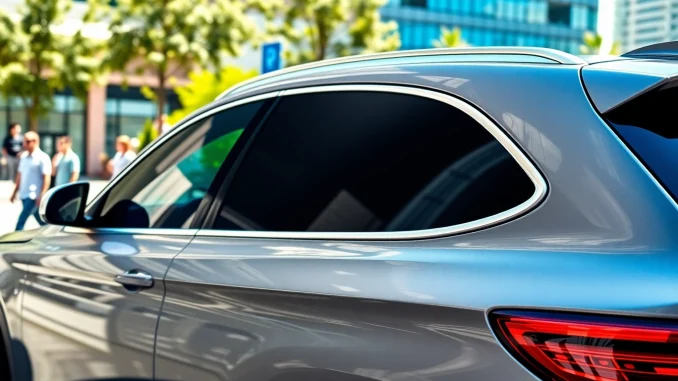
Understanding Window Tinting Cleveland TN
What is Window Tinting?
Window tinting refers to the application of a thin laminate film to the glass surfaces of automobiles, buildings, or other structures. This film can come in various shades and provides both aesthetic and functional benefits. For many owners in Cleveland, TN, window tinting Cleveland TN serves as an essential upgrade for their vehicles, offering privacy, UV protection, and a sleek appearance.
Types of Window Tinting Films
Several types of window tinting films are available, each tailored for specific needs and preferences. Here are the most common types:
- Dyed Window Films: These films use a dye that is embedded in the film itself. They are offered in various shades and provide some privacy while reducing glare.
- Metalized Window Films: Containing tiny metallic particles, these films are effective at reflecting heat and reducing glare. They can cause interference with electronic devices.
- Ceramic Window Films: Made from advanced ceramic materials, these films offer superior heat rejection and UV protection without impacting signal transmission.
- Carbon Window Films: These films combine the benefits of heat rejection and aesthetics while preventing fading and ensuring privacy.
Benefits of Window Tinting Cleveland TN
Investing in window tinting comes with a plethora of advantages that are particularly notable in Cleveland’s climate:
- UV Protection: Window tinting significantly reduces harmful UV rays, thereby protecting the skin and reducing the likelihood of interior fading.
- Heat Rejection: Tinted windows help maintain a cooler temperature inside the vehicle, especially during hot summer months.
- Increased Privacy: Tinted windows provide varying levels of privacy, making the interior less visible to outsiders.
- Enhanced Aesthetics: A well-tinted vehicle looks more polished and sophisticated, boosting its overall value.
- Glare Reduction: By minimizing glare from sunlight, window tinting enhances visibility and driving comfort.
The Process of Window Tinting Cleveland TN
Choosing the Right Tint for Your Vehicle
Selecting the appropriate tint for your vehicle can be a daunting task due to the various options available. Factors to consider include local regulations, personal preferences, and the specific needs of your vehicle. It’s advisable to consult with professionals who specialize in window tinting Cleveland TN to help guide you through this process.
Step-by-Step Installation Guide
The installation of window tint is crucial for achieving the desired results. Here’s how the process typically unfolds:
- Preparation: The windows must be cleaned thoroughly to remove dirt and grease.
- Measurement: Accurate measurements of the windows are taken to ensure properly-sized film pieces.
- Cutting the Film: The film is cut according to the measurements, with allowances made for edges.
- Application: The adhesive side of the film is applied to the interior side of the window using a solution to aid adjustment.
- Smoothing and Trimming: Any air bubbles are smoothed out, and excess film is trimmed for a perfect fit.
- Curing: The film needs time to adhere properly; avoid rolling down windows for several days post-application.
Common Mistakes to Avoid
While DIY approaches can be tempting, common errors can compromise the integrity of the installation. Here are things to avoid:
- Using Low-Quality Film: Choosing inferior film can result in fading, bubbling, and peeling.
- Rushing the Installation: Patience is crucial. Hasty application often leads to trapped air bubbles and misalignments.
- Skipping Maintenance: Neglecting to care for newly tinted windows can result in quicker deterioration.
Legal Regulations on Window Tinting Cleveland TN
Understanding Local Tinting Laws
Before proceeding with window tinting, it’s essential to understand the local regulations in Cleveland, TN. The laws dictate the allowed percentage of light transmission for various windows on vehicles, with different rules for front, rear, and side windows. Non-compliance can lead to fines and the need to remove the tint.
Penalties for Non-Compliance
Driving a vehicle with illegal window tint can result in fines, the potential requirement to remove the tint, and in some cases, points on your driving record. Staying informed about local laws is crucial to avoid these consequences.
How to Stay Within Legal Limits
To ensure compliance with local laws, consider consulting with a professional who understands the regulations. Always choose films that meet legal standards, and keep documentation of your tint installation for potential checks.
Maintaining Your Window Tinting Cleveland TN
Cleaning Your Tinted Windows
Proper maintenance is essential to prolonging the life and appearance of tinted windows. Use gentle cleaners and microfiber cloths to avoid scratching the film. Avoid ammonia-based products, as they can degrade the tint material.
Signs of Tint Damage
Be vigilant for signs of damage, which can include bubbling, peeling, or discoloration. Regular inspections can help you catch problems early and ensure your tint remains in optimal condition.
When to Replace Your Window Tint
Window tint typically lasts between 5-10 years, depending on the film quality and care. If you notice significant fading, peeling, or if the film becomes difficult to see through, it’s best to consider a replacement.
Frequently Asked Questions about Window Tinting Cleveland TN
How long does window tint last?
Window tinting typically lasts 5-10 years, depending on the quality of the film and proper maintenance.
Can window tinting reduce heat inside the car?
Yes, window tinting can significantly reduce heat, improving comfort and protecting your interior.
Is window tinting necessary for my vehicle?
While not mandatory, window tinting offers benefits such as UV protection and increased privacy.
Can I apply tint myself?
While DIY kits are available, professional installation ensures a better finish and complies with regulations.
What should I avoid after tinting?
Avoid rolling down windows for at least a few days to ensure proper adhesion of the tint film.