
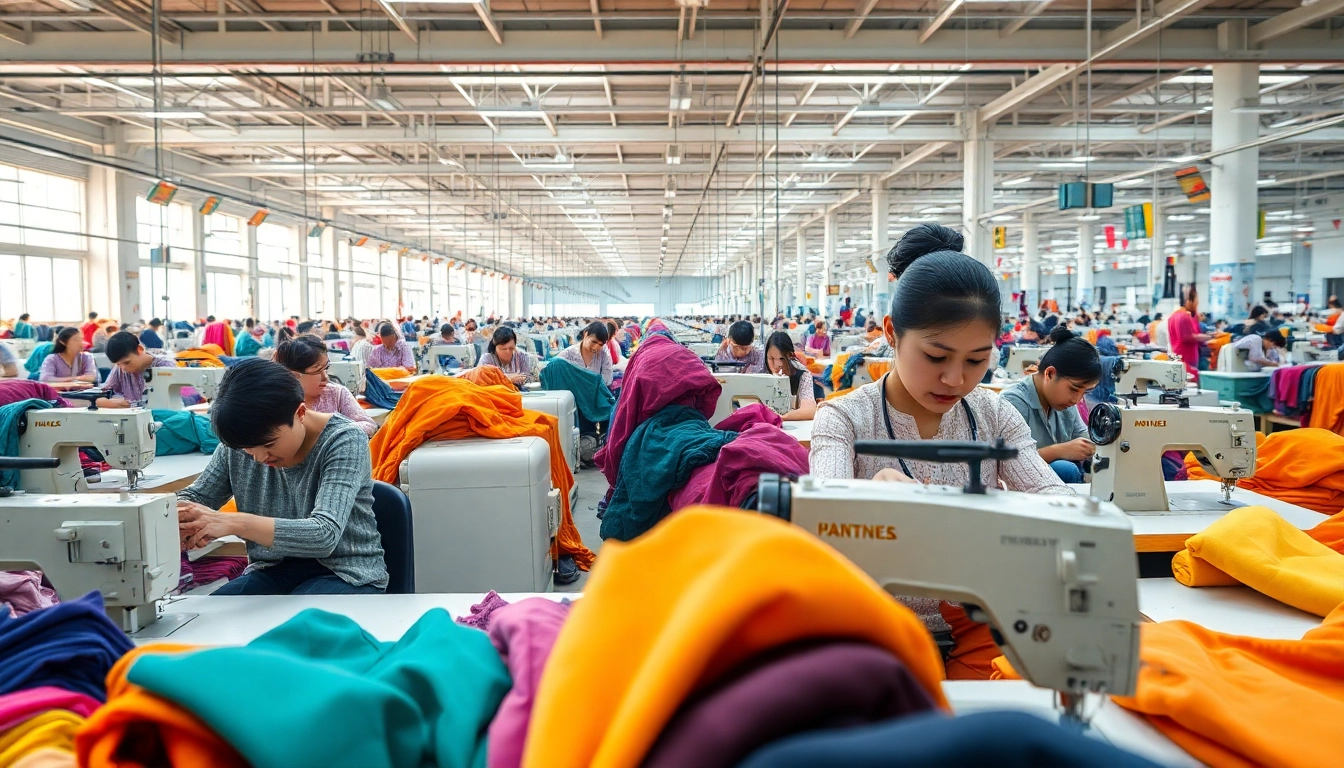
Overview of the Clothes Factory China
The global textile and apparel industry is an ever-evolving ecosystem, with China standing at the forefront as a major player. The Clothes Factory China not only highlights the vast manufacturing capabilities of this region but also underlines its critical role in the supply chain that drives global commerce. In this article, we will explore the various dimensions of clothing manufacturing in China, encompassing manufacturing processes, labor practices, supply chain management, and future trends.
The Role of Clothes Manufacturing in Global Trade
Clothing manufacturing in China has played a pivotal role in global trade for decades. The nation’s factories produce a significant share of the world’s clothing, which facilitates exports that contribute to the economy heavily. In fact, China’s textile industry is one of the largest in the world, and its factories cater to a diverse range of markets and consumer tastes. From fast fashion to luxury garments, the production capabilities in China are tailored to meet a large variety of needs.
Key Industries Leveraging Clothes Factory China
Various industries benefit from the manufacturing capabilities of Clothes Factory China. Fast fashion brands leverage the elasticity of production to quickly bring trends to market. In addition, e-commerce businesses increasingly rely on Chinese clothing factories to fulfill online orders that require agility and responsiveness. Moreover, numerous premium brands have also tapped into China’s manufacturing expertise, melding quality with cost-effectiveness, highlighting the multifaceted utilization of these factories.
History and Evolution of Clothes Factories in China
The history of clothing factories in China can be traced back several decades. Initially, during the early days of economic reform, China’s garment manufacturing focused on basic apparel and was heavily influenced by foreign investment. Over time, advancements in technology and shifts in global demand have led to a gradual transition towards more sophisticated manufacturing techniques. This evolution has culminated in the present-day operations characterized by efficiency, automation, and enhanced quality controls.
Key Processes of Clothing Production
Fabric Sourcing: Quality and Sustainability
Fabric sourcing is a critical stage in clothing production that significantly influences the final product’s quality and sustainability. Manufacturers in China are increasingly prioritizing sustainable practices, sourcing materials that reduce environmental impact. This involves looking for organic fabrics, recycled fibers, and eco-friendly dyes. Local suppliers often engage in collaborations to ensure high-quality materials that are both ethically sourced and economically viable, allowing brands to market their garments as sustainable while keeping production costs in check.
Design to Production Workflow
The design to production workflow in Clothes Factory China involves a series of well-coordinated steps aimed at maximizing efficiency and minimizing waste. The process begins with detailed design briefs, followed by prototype creation and fitting sessions. Once the designs are approved, factories use advanced production techniques—like CAD (computer-aided design)—to ensure precision. Workflow management software assists in tracking progress throughout the production cycle, allowing for better time management and quality assurance.
Quality Control Measures in Clothes Factory China
Quality control is paramount to the success of any clothing manufacturing operation. In China, factories implement stringent QC measures to ensure that each garment meets defined standards for quality, fit, and durability. This process often includes regular inspections during production, post-production evaluations, and adherence to international quality standards. Factories may also employ third-party inspectors to enhance objectivity and reliability of quality assessments.
Labor Practices in Clothes Factory China
Employee Rights and Working Conditions
Labor practices within Clothes Factory China have seen significant improvements, driven by increased scrutiny from global brands and watchdog organizations. Factories are increasingly recognizing the importance of employee rights, providing fair wages and safe working conditions. Adherence to labor laws, offering overtime pay, and ensuring safe operational environments are now more common than before, fostering a more sustainable workforce.
Training and Skills Development
The rapid advancement of manufacturing technology necessitates ongoing training and skills development for the workforce in China. Factories focus on equipping employees with modern skills through training programs that emphasize new technologies, quality standards, and production techniques. This investment not only enhances productivity but also improves employee job satisfaction and retention rates.
Ethical Sourcing Considerations
Ethical sourcing is increasingly becoming a cornerstone of manufacturing in Clothes Factory China. As brands respond to consumer demand for transparency and ethical practices, they are forging partnerships with factories that prioritize labor rights and sustainable sourcing. This shift requires careful vetting of supply chains to ensure compliance with ethical standards, fostering a culture of responsibility that enhances brand image.
Supply Chain Management in Clothes Factory China
Logistics: From Factory to Retail
Efficient logistics are critical for optimizing supply chains in the clothing industry. Clothing factories in China often collaborate with local logistics providers to streamline transport processes. This collaboration ensures timely delivery of goods to retailers, therefore maintaining the supply chain’s fluidity. Moreover, advancements in logistics technology, like warehouse management systems and real-time tracking, enhance operational effectiveness from factory to retail.
Leveraging Technology for Efficiency
Embracing technology is essential for maintaining competitiveness in the clothing manufacturing sector. In Clothes Factory China, the utilization of automation, artificial intelligence (AI), and data analytics has transformed production processes. Factories can analyze production metrics in real-time, predicting potential disruptions and adjusting workflows accordingly. These technologies not only improve output rates but also minimize waste, contributing to sustainability efforts.
Challenges in Supply Chain Management
Despite advancements, managing supply chains in the clothing sector in China faces challenges. Fluctuations in raw material prices, geopolitical tensions, and the ongoing demands for swift production timelines can disrupt operations. To mitigate these risks, factories adopt contingency planning, invest in diverse supplier networks, and foster solid relationships with shipping partners to ensure resilience in their supply chains.
Future Trends in Clothes Factories
Embracing Sustainable Practices
Sustainability is no longer a trend but a necessity in the clothing industry. In the coming years, Clothes Factory China are expected to innovate further in sustainability practices. This includes the use of biodegradable materials, implementing circular production methods, and reducing carbon footprints throughout manufacturing processes. Brands that champion sustainability will likely find a competitive edge in the global market.
Impact of Automation on Production
Automation is progressively reshaping clothing manufacturing. Factories in China are starting to incorporate robotic systems for repetitive tasks, enhancing efficiency while reducing labor costs. This shift allows human workers to focus on more intricate tasks requiring creativity and problem-solving skills, ultimately driving up overall quality and innovation in production.
Predicted Market Changes and Innovations
As the global market continues to evolve, so too will the clothing manufacturing landscape. The rise of custom-made garments propelled by consumer demand for personalization is likely to shape factory strategies in Clothes Factory China. Factories may need to implement flexible manufacturing processes to accommodate smaller batch sizes and a broader array of product variations while meeting delivery deadlines.
Frequently Asked Questions
What is the main advantage of manufacturing clothes in China?
The main advantage is cost-effectiveness due to lower labor costs, combined with a robust supply chain and manufacturing capabilities that can meet global demand efficiently.
How do clothes factories in China ensure quality?
Quality is ensured through stringent quality control measures, including regular inspections, adherence to international quality standards, and training employees in quality management practices.
What are the labor conditions like in Chinese clothing factories?
While conditions have improved, they still vary. Many factories now comply with labor laws, offering fair wages and safe environments, but challenges remain in some areas.
How is sustainability integrated into clothing manufacturing in China?
Manufacturers increasingly source eco-friendly materials, optimize production to minimize waste, and explore recycled textiles to embrace sustainability.
What is the future of clothing factories in China?
The future is leaning towards greater automation, sustainable practices, and the ability to customize products quickly in response to consumer demands.